
Clear the Glass Fast: The Right Settings for Inside and Outside Fog
If wipers clear the mist, it's outside. Reduce excessive AC cooling. If they don't, it's likely inside, so use warm front defrost with AC on and recirculation off.
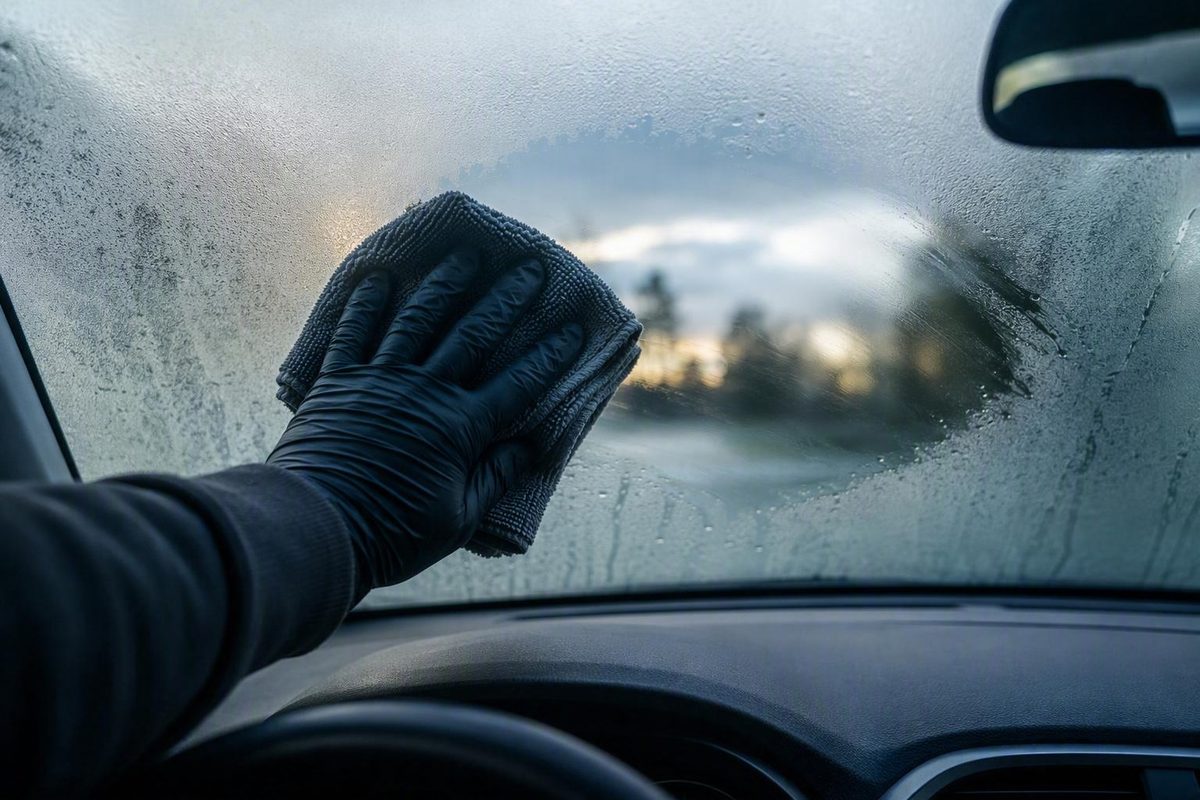
Quick answer: the dashboard settings to use first
Safety first: Remain parked while clearing the windshield whenever possible. If fog seriously limits your view while you are moving, pull over in a safe place and do not continue until you can see clearly through the windshield and the other glass needed to drive safely. AIG Ireland recommends stopping safely when severely reduced visibility persists.
The correct controls depend on whether the condensation is inside or outside the windshield.
For fog on the inside:
- Select front defrost or front defog.
- Raise the fan to high, or at least medium-high.
- Set the temperature to warm.
- Keep the AC on, even in winter.
- Turn recirculation off so the system draws in outside air.
- Wait until you have a safe, clear view before proceeding.
Heat and air conditioning are not contradictory. Heat warms the glass, while the AC removes some moisture from the ventilation air. AC can therefore help clear interior condensation during winter.
For fog on the outside:
- Turn on the windshield wipers.
- Reduce excessive AC cooling or raise the selected cabin temperature.
- Leave the ventilation in outside-air mode, with recirculation off.
- Confirm that the windshield remains clear.
Exterior fog commonly develops in hot, humid weather when air conditioning chills the windshield. The wipers remove the moisture already on the exterior, while moderating the cooling helps prevent the glass from remaining much colder than the humid outdoor air. Allstate’s guidance also distinguishes warm, AC-assisted defogging for interior condensation from wipers and reduced cooling for exterior fog.
Do not reach across the dashboard to wipe the windshield while driving. Wiping is temporary, divides your attention, and may leave streaks that create glare from sunlight, streetlights, or headlights. If the climate controls are not restoring visibility, stop safely before wiping or making further adjustments. AutoZone likewise advises clearing the windshield before driving and notes that hand-wiping can leave visibility-reducing residue.
Control labels and automatic behavior vary by vehicle. Consult the owner’s manual for model-specific operation.
First determine whether the fog is inside or outside
Using the wrong response can delay clearing. Interior condensation requires the ventilation system to reduce cabin moisture and warm the inside surface of the windshield. Exterior condensation can often be removed immediately with the wipers, then discouraged by making the windshield less cold relative to the humid outdoor air.
Use this quick test while parked or without taking your attention from the road:
- Turn on the windshield wipers.
- If the wipers remove the mist, it is on the outside.
- If they do not affect it, treat it as likely interior fog.
- Inspect or touch the inside surface only after stopping safely.
| Location | Common conditions | Quick test | First response |
|---|---|---|---|
| Inside | Cold glass with warmer, humid cabin air; cold or rainy weather; wet occupants or belongings | Wipers do not clear it | Front defrost, strong fan, warm temperature, AC on, recirculation off |
| Outside | Hot, humid outdoor air contacting AC-chilled glass | Wipers clear it | Use wipers, reduce excessive cooling, select outside air |
| Frost or ice | Moisture has frozen on sufficiently cold glass | Wipers may skip, smear, or fail to remove it | Defrost the glass and use an appropriate exterior ice-removal method |
Typical interior fog
Interior fog often appears after people enter a cold vehicle and begin breathing into the enclosed cabin. Warm, moist cabin air contacts a colder windshield, causing moisture to condense on the glass.
The problem becomes more likely or more severe when the cabin contains:
- Wet coats, shoes, or other clothing
- Dripping umbrellas
- Snow carried in on footwear
- Damp carpets or floor mats
- Wet upholstery
- Open drinks
- Recent spills
- Several occupants adding moisture through breathing
- Ventilation that is not effectively replacing humid cabin air
Cold rain can create similar conditions. The cabin may be warm while the weather keeps the glass cool, and moisture from passengers or wet belongings accumulates inside.
Typical exterior fog
Exterior fog is especially common in hot, humid conditions. Strong AC can chill the windshield enough for moisture in the outdoor air to condense on its exterior surface.
It may initially look as though the defroster is failing, but a pass of the wipers identifies the location. Use the wipers first, then moderate the cooling instead of automatically making the windshield colder.
Fog is not always ordinary condensation
Fog consists of liquid moisture on the glass. If the windshield is sufficiently cold, that moisture can freeze into frost. Frost or exterior ice requires defrosting and, where appropriate, a suitable exterior ice-removal method rather than ordinary fog settings alone. AutoZone’s guide distinguishes interior condensation from frozen buildup on sufficiently cold glass.
Do not depend on dry wipers to remove frozen buildup. If the glass remains obscured, keep the vehicle parked until defrosting or appropriate ice removal restores a safe view.
Stop safely, inspect the glass, and clean or diagnose the underlying issue instead of repeatedly changing the climate settings.
How to clear fog from the inside of the windshield
For typical interior condensation, use this sequence:
-
Select front defrost or front defog. This setting directs ventilation airflow toward the windshield. Make sure you have selected the front-windshield function rather than only the electrically heated rear-window defogger.
-
Set the fan to medium-high or high. Strong airflow moves more conditioned air across the glass. If an automatic defogging program selects a high fan speed, allow it to operate unless the owner’s manual directs otherwise.
-
Confirm that airflow is reaching the windshield. With manual vent controls, choose the windshield icon or a windshield-and-feet combination that supplies adequate airflow to the glass. Avoid sending all available air through the face-level vents.
-
Choose a warm temperature. Warm airflow helps raise the temperature of the windshield’s interior surface and supports evaporation of the condensed moisture.
-
Keep the AC operating. “AC on” does not mean that the delivered air must be cold. The AC can remove moisture from the ventilation air before the heater warms that air and sends it toward the windshield. Some vehicles engage AC automatically in front-defrost mode.
-
Turn recirculation off. Select fresh or outside air. Continually recirculating humid cabin air can retain the moisture responsible for the fog, especially while passengers, damp mats, or wet clothing continue adding water vapor.
This combination—warm air, AC, strong windshield airflow, and outside-air intake—is the standard starting point for interior fog. Lancaster Toyota similarly recommends switching off recirculation and using heat with air conditioning.
Do not proceed merely because a small patch in front of the steering wheel has cleared. Confirm that you can see through:
- The driving area of the windshield
- The front side windows
- The glass needed to use the side mirrors
- The rear window, using its electric defogger if necessary
- Any other area required for turns, lane changes, or reversing
If the necessary glass remains obscured, stay parked or pull over safely until visibility is restored. AIG Ireland’s guidance advises stopping when the defogging controls do not restore a safe view.
Should you open the windows?
Opening one or more windows slightly can help when the outside air is drier than the cabin air. It allows moist cabin air to escape and speeds the exchange with outside air.
This is conditional advice, not a universal step. Opening the windows can be ineffective or counterproductive during heavy rain or very humid weather because the incoming air may add moisture. Begin with front defrost, warm air, AC, and fresh-air mode. Crack the windows only when conditions permit and the outside air is likely to be drier.
If the AC does not work
You can still improve interior visibility, although moisture removal may be slower or less effective:
- Select front defrost.
- Set the fan to high.
- Choose warm air.
- Turn recirculation off.
- Slightly open one or more windows only if the outside air is likely to be drier.
- Remain parked until the necessary glass is clear.
Dry wet clothing, mats, carpet, and upholstery so the ventilation system has less moisture to remove. If the windshield repeatedly fogs faster than the system can clear it, investigate excess cabin moisture, restricted airflow, or a ventilation fault.
Do not rely on a promised clearing time. Weather, cabin humidity, windshield temperature, blower performance, AC condition, vehicle design, and the amount of affected glass all influence the result. Use actual visibility—not a stopwatch—to decide when it is safe to proceed.
How to clear fog from the outside in hot, humid weather
Exterior condensation can form when hot, humid outdoor air contacts a windshield chilled by the vehicle’s air conditioning. The moisture is outside, so the immediate response differs from the normal cold-weather interior-fog procedure.
Start by turning on the windshield wipers. If they remove the mist, you have confirmed that it is exterior condensation. Use them as needed while adjusting the climate controls to reduce how quickly the moisture returns.
Next, moderate the cooling. You can:
- Raise the selected cabin temperature
- Reduce unnecessarily aggressive AC cooling
- Redirect very cold airflow if it is concentrated against the windshield
- Allow the windshield to become less cold relative to the outdoor air
You do not necessarily need to turn off all cooling. The aim is to stop chilling the windshield so strongly that exterior moisture continually reforms.
Keep recirculation off as the general starting point. Outside-air mode may help reduce an extreme difference between the cabin and outdoor conditions, but the result depends on humidity and the way the vehicle’s climate system operates. Monitor the glass, use the automatic windshield-clearing program if equipped, and follow the owner’s manual when the system overrides your selections.
Do not blindly apply the cold-weather interior-fog recipe. Sending maximum cold air toward the windshield may aggravate exterior condensation in humid conditions. Diagnose the location first.
On a humid summer morning, for example:
- Use the wipers as needed.
- Raise the temperature from an unusually cold setting.
- Select fresh-air mode.
- Watch whether the exterior mist stops returning.
- Stop safely if the windshield will not remain clear.
The seasonal distinction is supported by guidance describing summer condensation as moisture forming when humid outdoor air contacts AC-chilled glass. Lancaster Mazda explains the difference between common winter interior fog and summer exterior condensation.
Why heat and air conditioning work together
Windshield fog appears when moisture in the air condenses on glass because of the temperature and humidity conditions near that glass. The important variables are not simply whether the day feels hot or cold. Fog location, cabin moisture, outdoor humidity, windshield temperature, and HVAC operation all matter.
For typical cold-weather interior fog, clearing has two complementary parts:
- The AC removes some moisture from the ventilation air.
- The heater warms that drier air and the windshield.
Air passing through the AC portion of the climate system can lose moisture. The system can then reheat that conditioned air before directing it toward the windshield. As the glass warms and drier air moves across it, the condensed moisture can evaporate and be carried away through ventilation.
This is why an AC indicator appearing during winter defrost is not necessarily evidence of a fault. The system may be using the AC for moisture removal rather than simply trying to cool the cabin. Front-defrost mode automatically activates this function in many vehicles, although indicators and compressor behavior differ.
Why cold AC air may seem to work
Some drivers observe that cold AC airflow can also clear interior fog. That can happen because AC-delivered air may have been dehumidified. Strong airflow also changes the immediate temperature and moisture conditions next to the glass.
That observation does not establish cold air as universally better or faster. A user-generated engineering discussion includes differing personal observations, while its most prominent explanation favors warm, dehumidified air. The discussion is not a controlled vehicle test, so it should not be treated as proof that one temperature always wins. The Engineering Stack Exchange discussion illustrates why fog location, humidity, temperature, and HVAC behavior all affect the result.
The practical recommendation is narrower:
- For typical cold-weather interior fog, use warm, AC-dehumidified airflow directed at the windshield.
- For hot-humid exterior fog, use the wipers and reduce excessive windshield cooling.
- In unusual conditions, identify the side and observe the result rather than relying on a universal hot-versus-cold rule.
The correct response can even change during one journey. Interior fog may develop during cold rain because occupants and wet clothing add moisture. Exterior fog may appear later if humid outdoor air contacts glass chilled by strong cooling. Let the location of the moisture determine the first action.
Prevent fog by reducing moisture and keeping the glass clear
Prevention can make fog less frequent or less severe, but it does not replace the defrost controls when visibility is already impaired. Clear the glass first; address moisture and cleaning after the vehicle is safely parked.
Remove or dry moisture sources
Look for water entering or accumulating in the cabin:
- Take wet umbrellas out to dry.
- Remove snow from footwear and outerwear where practical.
- Do not leave wet clothing in the vehicle.
- Empty and dry rubber mats holding rainwater or melted snow.
- Remove fabric mats and dry them thoroughly.
- Dry wet carpet and upholstery.
- Clean up drink spills promptly.
- Secure or cover open drink containers.
- Remove wet towels, sports gear, or other damp cargo.
A continuing water source will keep replenishing cabin humidity.
Clean both sides of the windshield
Cleaning removes oily films, dirt, and residue that can make the view hazy or streaked when moisture is present.
Use a straightforward automotive-glass process:
- Choose a cleaner intended for automotive glass.
- Follow the product’s application instructions.
- Wipe the glass with a clean microfiber cloth.
- Dry the surface without leaving cleaner residue.
- Clean both the inside and outside.
- Clean the side glass and mirrors needed for safe observation.
CarHop recommends cleaning both sides of the glass with automotive glass cleaner and microfiber cloths as part of fog management. See its windshield-cleaning and ventilation guidance.
If the glass is tinted, check the tint or glass manufacturer’s instructions. Use a tint-compatible, ammonia-free automotive cleaner where required rather than assuming every formula is suitable.
Before applying cleaner or treatment around tint, coatings, cameras, sensors, head-up-display areas, antennas, or heated elements, follow the relevant vehicle, glass, tint, and product manufacturer’s directions.
Consider anti-fog treatments optional
An anti-fog treatment intended for automotive glass may reduce condensation buildup, but results and durability vary. The available evidence does not establish one product as best or support a universal reapplication interval.
Before using one:
- Verify that it is intended for automotive glass.
- Check compatibility with tint and coatings.
- Follow its surface-preparation and application directions.
- Confirm whether it is approved near cameras, sensors, or other windshield features.
- Remove residue as directed.
- Discontinue use if it leaves haze or otherwise impairs visibility.
Products used on safety glass must not make the view worse. AutoZone advises choosing treatments made for automotive glass that do not damage the windshield or impair visibility.
Do not assume that applying more product provides better protection.
Avoid improvised treatments such as shaving cream, vinegar, dish soap, baking soda, cat litter, or homemade silica containers. The supplied evidence does not establish their effectiveness, optical clarity, material compatibility, or safe placement in a moving vehicle. Purpose-made products provide labeled instructions, but they still remain secondary to drying the cabin and correcting persistent moisture sources.
Weather-by-weather defogging settings
Use this table as a starting point while safely parked. The correct response can change with fog location and local humidity.
| Situation | First controls | Temperature and AC | Air source | Windows and wipers | Safety decision |
|---|---|---|---|---|---|
| Cold-weather interior fog | Front defrost; high fan; airflow at windshield | Warm; AC on | Recirculation off | Crack windows only if outside air is likely drier | Remain parked or pull over if a safe view is not restored |
| Rainy-weather interior fog | Front defrost; medium-high or high fan | Warm; AC on | Recirculation off | Opening windows may not help when outdoor air is extremely humid | Do not proceed while the glass required for a safe view remains obscured |
| Hot-humid exterior fog | Wipers; monitor whether moisture returns | Reduce excessive cooling or raise the selected temperature | Outside-air mode | Wipers on as needed | Stop safely if the windshield will not remain clear |
| AC unavailable | Front defrost; high fan; airflow at windshield | Warm air; no AC dehumidification | Outside-air mode | Slight opening only when outside air is likely drier | Stay parked if ventilation cannot restore visibility |
For both cold and rainy interior fog, use the same core controls. The main difference is that opening the windows deserves more caution during rain because the outdoor air may already contain substantial moisture.
For exterior fog, prioritize the wipers and moderate the AC. If the wipers do not clear the mist, reassess whether the condensation is actually inside.
These are general settings, not model-specific operating instructions. Automatic systems may activate AC, choose fresh air, adjust the blower, heat the glass, or override other selections. Check the owner’s manual before difficult weather makes the function urgent.
When recurring fog points to a leak or HVAC problem
Occasional fog during cold or wet weather can be ordinary condensation. Fog that repeatedly overwhelms the defroster may indicate an unresolved source of cabin moisture or ineffective ventilation rather than a problem with the glass alone.
Check for retained or incoming water
Inspect for:
- Damp carpets or floor mats
- Puddles in the footwells
- Persistently wet upholstery
- Moisture in the cargo area
- Water appearing after rain or washing
- Evidence of water entering around doors, windows, the roof, or the hatch
- Recent spills or wet items left in the cabin
If dampness keeps returning, investigate the source rather than masking it with fragrance, glass cleaner, or an anti-fog coating.
Check airflow and ventilation
Select front defrost and assess the airflow reaching the windshield. Look for:
- Weak blower output
- Air coming from the wrong vents
- Windshield vents obstructed by objects or accessories
- A dirty or restricted cabin air filter
- AC that does not appear to remove moisture
- Climate controls that do not respond as expected
Follow the schedule and filter specifications in the owner’s manual rather than applying one interval to every vehicle.
Pay attention to odors and residue
A musty odor is a reason to investigate retained moisture, wet materials, or a ventilation problem. It does not identify one specific fault by itself.
A sweet, coolant-like smell combined with persistent fog, unusual residue, dampness, or signs of coolant loss can justify professional inspection for a possible cooling-system or heater-core problem. It is not conclusive proof of a particular failure. Allstate’s defogging guidance recommends checking moisture sources and ventilation rather than relying on surface treatment alone.
Arrange an inspection when:
- Front defrost produces weak or no airflow.
- Normal settings do not clear the windshield.
- Moisture repeatedly returns without an obvious weather-related source.
- Carpets or upholstery remain damp.
- Water appears after rain or washing.
- The AC or ventilation system does not function normally.
- A coolant-like smell, unexplained film, or possible coolant intrusion appears.
They may improve the glass temporarily, but they cannot remove water entering the cabin or restore ineffective airflow and moisture control.
Frequently asked questions
Should recirculation be on or off when defogging a windshield?
For typical interior fog, recirculation should be off. Select fresh or outside air so the ventilation system can replace humid cabin air rather than continually cycling it past the windshield.
There may be temporary reasons to use recirculation in other circumstances, such as limiting outside smoke, but it is not the normal default for clearing interior condensation. If the automatic defrost program controls the air source itself, allow it to operate as designed and consult the owner’s manual.
Why does the AC run when I select front defrost in winter?
The AC can serve as a dehumidifier. It removes some moisture from the ventilation air, after which the heater can warm that drier air before it reaches the windshield. The objective is not necessarily to cool the cabin.
Many vehicles activate AC automatically in front-defrost mode, although the indicator and compressor behavior vary by model.
What can I do if my car’s air conditioning does not work?
Select front defrost, set the fan to high, choose warm air, and turn recirculation off. Slightly open the windows only when conditions permit and the outside air is likely to be drier than the cabin.
Dry wet mats, clothing, upholstery, and carpet. If these measures cannot keep the windshield clear, remain parked and arrange repair rather than driving with restricted visibility.
Is it safe to wipe a foggy windshield with a cloth?
Only while safely stopped, and only as a temporary measure. Wiping while driving is distracting, may require an awkward reach, and can leave glare-producing streaks or residue.
After stopping, use a clean microfiber cloth if a temporary wipe is necessary, then clean and dry the glass properly when practical. Do not rely on a small clear patch if the surrounding windshield or side glass still prevents a safe view.
Do anti-fog sprays or car dehumidifiers prevent windshield fog?
They may help reduce fog or residual cabin moisture, but they do not guarantee prevention. Anti-fog treatments may require reapplication, and moisture-absorbing accessories have limited capacity.
Choose products intended for automotive use and verify compatibility with tint, coatings, sensors, cameras, and other windshield features. Follow the manufacturer’s directions and stop using any treatment that leaves haze or impairs visibility.
The decision rule is simple: identify which side is fogged first. For interior fog, use warm, AC-dehumidified airflow directed at the windshield with recirculation off. For exterior fog, use the wipers and reduce excessive AC cooling. Visibility takes priority over comfort or convenience, and recurring condensation calls for moisture removal, ventilation checks, and professional inspection when warning signs persist.